
BYD vs Tesla: New EV King
- Carstrike Team
- 4 min read
- 16 views

Toyota’s hybrids now sit in a sweet spot for Brisbane drivers: BYD has overtaken Tesla in global EV sales, but hybrids still offer the best mix of cost, reliability and practicality for Queensland conditions.
BYD vs Tesla: New EV King
-
BYD has surpassed Tesla in global pure-EV sales, delivering about 1.61 million BEVs Jan–Sep 2025 versus Tesla’s 1.22 million—a lead of roughly 388,000 vehicles and around 15.7% global BEV market share.
-
In Europe, Tesla’s sales have fallen sharply (around 40% down in some months) while BYD’s have surged, with growth over 200% in certain markets.
-
In Australia, BYD models like Atto 3, Seal and Sealion are aggressively priced, often undercutting Tesla on drive-away price and squeezing Tesla’s value story.
Takeaway: If you want a full EV, BYD has become the value and volume leader, not Tesla. But that doesn’t automatically make BEVs the smart choice for Brisbane.
Where Toyota Stands on Full EVs
-
Toyota’s first mainstream BEV here is the bZ4X. It has just been updated with a larger 73.1 kWh battery, up to about 573 km WLTP range, and more power, but sales remain tiny—977 units in Australia last year versus 21,253 Tesla Model Ys.
-
Toyota has publicly said its EV strategy in Australia is a “long game”: it’s rolling out BEVs (bZ4X now, electric HiLux coming, plus future hydrogen models) only as charging, price and customer use-cases make sense, especially for regional and fleet buyers.
-
In the meantime, Toyota is leaning on its massive hybrid base—Corolla, RAV4, Camry, Yaris Cross, Corolla Cross—because the tech is mature, cheap to run and familiar to mechanics.
Position: Toyota is behind Tesla and BYD on BEVs, but far ahead on hybrid depth and reliability. That matters more in Queensland right now.
Cost Reality in Brisbane: EV vs Hybrid
Recent Australian cost-of-ownership work shows a nuanced picture:
-
A 2025 Compare the Market index found a BYD Sealion 7 EV could be about $1,500 per year cheaper to run than a petrol SUV if charged at home on a standard tariff, thanks to low electricity and maintenance costs.
-
The same analysis shows a Toyota RAV4 Hybrid saves almost $1,000 per year versus an equivalent petrol Outlander—without needing home charging, special tariffs or public chargers.
-
Broader 2025 comparisons still find EVs cheaper to power and maintain, but hybrids generally win on purchase price, insurance and repair cost, narrowing the real-world gap, especially when you factor in higher EV insurance and tyre wear.
For a typical Brisbane driver (or Uber driver) without cheap off‑peak home charging or guaranteed access to a driveway, those hybrid advantages are magnified.
Why Hybrids Are Still the Right Choice in Brisbane
For Brisbane and SEQ, several local factors tilt the scales toward Toyota-style hybrids:
-
Charging reality: Public fast chargers are improving, but still patchy once you head up the Bruce Highway, out to Toowoomba, or between Brisbane–Gold Coast–Sunshine Coast. Hybrids refuel anywhere, in 3 minutes, with no route planning stress.
-
Heat and storms: QLD’s heat, humidity and summer storms are tough on batteries and infrastructure. Hybrids use a smaller battery that’s cheaper to replace and less sensitive to degradation than a full EV pack.
-
Urban + long‑trip mix: Many Brisbane owners mix city commuting with long regional trips. Hybrids give 4–5 L/100 km in traffic but behave like a normal petrol car on long drives—no 40‑minute DC charging stops.
-
Resale and trust: Toyota hybrids have a 20‑year track record here; taxi and rideshare fleets have proven the batteries will go 300–400k km with minimal drama, supporting resale values in a way most newer EV brands haven’t yet earned.
For Uber and DiDi drivers, that translates into maximum uptime and predictable running costs—critical when the car is your income.
How to Position Japanese Hybrids vs Tesla & BYD
For Brisbane consumers—and especially for your CarStrike audience—this is the core message:
-
Tesla: Tech-forward, great Supercharger network, but higher upfront cost, higher insurance, and more downtime sensitivity if anything goes wrong. Best for tech enthusiasts with a home charger and mostly urban driving.
-
BYD: The new price/performance EV leader with strong value, but still early days for long-term durability, resale, and service network depth in Australia.
-
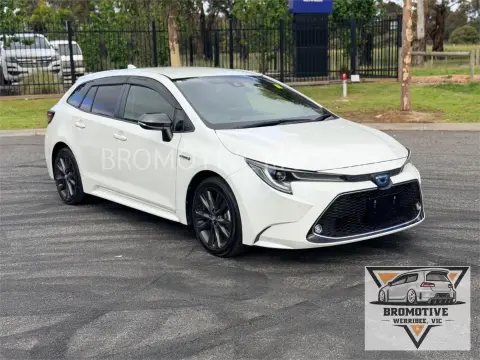
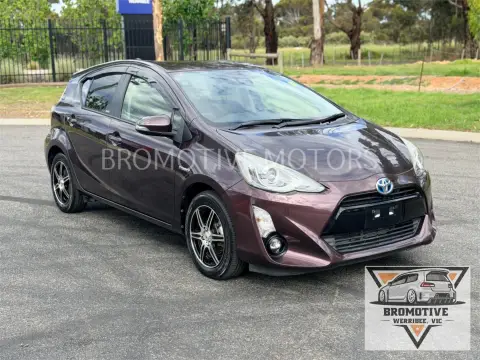
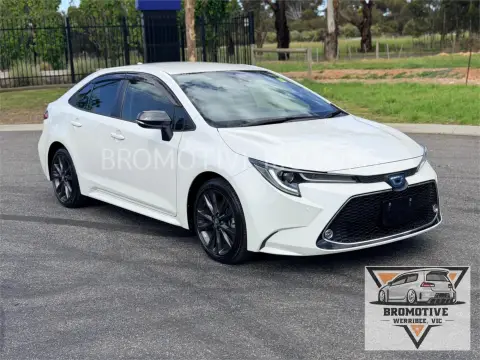
Toyota Hybrids (Corolla Touring, C‑HR, Prius, RAV4, etc.):
-
Mature, proven systems optimised for Australian heat and long distances.
-
-
-
Excellent fuel economy without charging infrastructure.
-
Lower risk for Uber drivers and families who need the car to always work and don’t want to gamble on charger queues or software glitches.
-
For Brisbane in 2025–26, a fair verdict is:
BYD has taken Tesla’s EV crown, but Toyota’s hybrids still wear the real-world crown for Queenslanders who care more about uptime, simplicity and total cost than about owning a full EV badge.
Comments (0)