
Japanese Import Myth #10 - Finance companies won’t touch Japanese imports
- Carstrike Team
- 2 min read
- 3 views

Shows how buyers can get finance for Japanese imports in Brisbane, why some lenders say no, and what steps improve approval chances and interest rates.
Myth: “Finance companies won’t touch Japanese imports”
Some mainstream lenders prefer to fund only vehicles listed in their standard database of Australian‑delivered models. When an imported car’s exact variant does not appear, the easy answer from a call‑centre script is “we can’t finance that”. That response feeds the myth, even though it usually reflects system limitations rather than hard policy.
Plenty of banks, credit unions and specialist brokers have processes for valuing grey imports using auction data, comparable local models, and independent valuations. They may be a little more selective about age, mileage and loan size, but they do approve finance on well‑documented Japanese imports every day.
What lenders worry about with imports
Finance providers mainly care about three things:
-
Value and resale: How easily they can resell the car if a loan goes bad. Niche or heavily modified imports can be harder to price.
-
Parts and repair costs: If repairs are expensive or slow, insurers and lenders see more risk. That is why mainstream platforms and shared‑parts models are easier to fund.
-
History and compliance: Clean documentation, proof of compliance and clear PPSR checks reduce the chance of nasty surprises.
If a car looks hard to value, difficult to insure, or poorly documented, more conservative lenders simply decline the deal instead of taking time to understand it.
How to improve your chances of approval
Brisbane buyers can make finance much easier by:
-
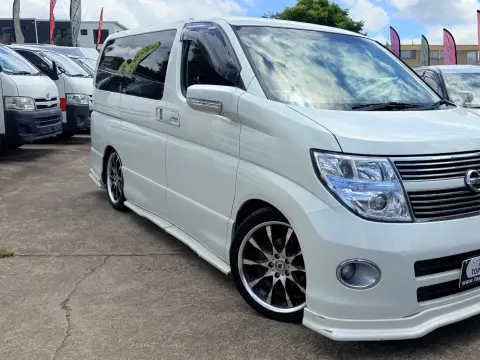
Choosing popular, well‑known imports (for example, common hybrids, SUVs and people movers) rather than ultra‑rare models.
-
Working with a dealer who can provide full paperwork—auction sheets, compliance certificates, PPSR report and clear invoices.
-
Using a broker experienced with grey imports, who already knows which lenders are comfortable with these cars and how they prefer values documented.
Having a solid deposit, realistic expectations on interest rates, and comprehensive insurance locked in also reassures lenders. When the numbers and the paperwork make sense, Japanese imports are just another used‑car asset to finance—not an exception that “no one will touch”.






Comments (0)