
Japanese Import Myth #6 - Japanese imports aren’t reliable in Australia
- Carstrike Team
- 2 min read
- 12 views

Shows why Japanese imports have a strong reliability record, what can go wrong when buyers cut corners, and how to pick imports that will last in Queensland conditions.
Myth: “Japanese imports aren’t reliable in Australia”
Japanese brands like Toyota, Honda and Nissan consistently rank near the top of global reliability surveys thanks to conservative engineering and strict quality control in their factories. Many imports arriving from Japan have passed rigorous local inspections and were owned by people who service their cars on time to keep them on the road.
When those same cars are complied correctly and maintained in Australia, they generally cope well with local conditions, including Brisbane heat, provided cooling systems and fluids are kept in good order.
Why some imports still cause headaches
Reliability complaints usually come from two problem areas: poor maintenance history and bad importing practices. If a car with hidden accident damage, skipped services or flood history is brought in cheaply, no amount of “Japanese quality” will save it from future breakdowns.
Cut‑price importers or private buyers sometimes skimp on inspections, odometer checks and proper compliance work, which means issues only surface after the car is in everyday use. That experience then gets blamed on “Japanese imports” instead of on the poor buying process.
Why Japanese imports can be a smart long‑term bet
For many mainstream models, Japanese imports combine robust engineering with stricter maintenance regimes than typical Australian used cars, thanks to Japan’s regular inspection system. Import‑focused dealers often hand‑pick cleaner cars from auctions, verify history, and recondition key items before they are sold here, which boosts reliability further.
When owners in Brisbane keep following the service schedule, use quality fluids, and address small issues early, these vehicles routinely run well past 200,000 km without major drama.
How Brisbane buyers can stack the odds in their favour
If reliability is a priority, focus on:
-
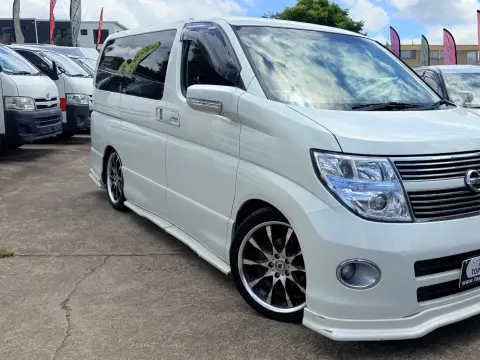
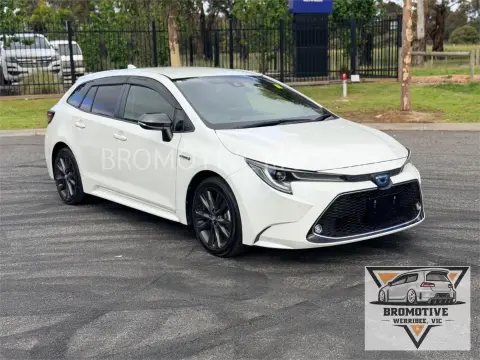
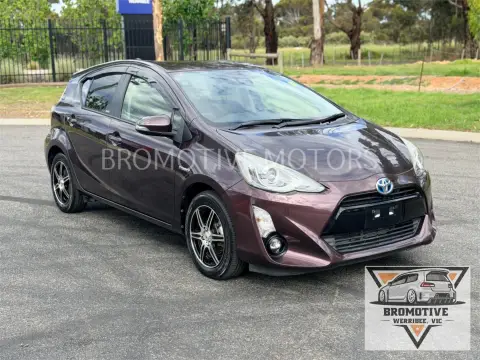
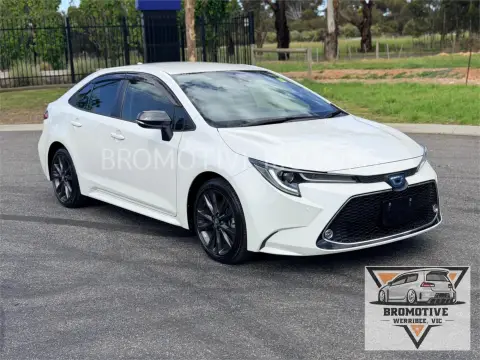
Proven platforms (for example Toyota hybrids, family SUVs and commercial vans with long global track records).
-
Clear history: look for auction sheets, service records and odometer checks instead of the cheapest car on the list.
-
A specialist import dealer that backs its stock, helps with parts sourcing, and understands local conditions.
With that approach, a Japanese import in Brisbane is more likely to be an upgrade in reliability and spec compared with many equivalent local used cars, not a step backwards



Comments (0)