
Japanese Import Myth #7 - You can't get Japanese imports serviced locally
- Carstrike Team
- 3 min read
- 11 views

Explains why Japanese imports are not “too hard” for local mechanics to service, how to find the right workshop in Brisbane, and what information to provide so ownership stays simple.
Myth: “You can’t get Japanese imports serviced locally”
Many buyers assume only a specialist shop or the original Japanese dealer can work on an imported car. In reality, most routine jobs—oil changes, filters, brakes, suspension, tyres, batteries, coolant and transmission services—are identical to the work done on Australian‑delivered Toyotas, Hondas, Mazdas and Nissans.
Where things become slightly different is in areas like hybrid systems, complex electronics, and rare models, which may require extra research or more specialised scan tools. That is still a far cry from “no one can service it”; it just means picking a workshop that is comfortable with late‑model imports and JDM wiring diagrams.
What good mechanics need from you
Any competent workshop can make life easier for you if they have good information. Helpful things to bring are:
-
The full Japanese model code and VIN/chassis number, so they can cross‑reference parts and service data.
-
Previous service records or auction sheets, which give clues about fluids and maintenance already done.
-
Details of any modifications (suspension, exhaust, aftermarket electronics) that might affect diagnostics.
With that information, mechanics can match filters, belts, plugs and fluids to locally available parts catalogues or identify compatible components from Australian‑delivered models that share the same platform.
When to seek a specialist import workshop
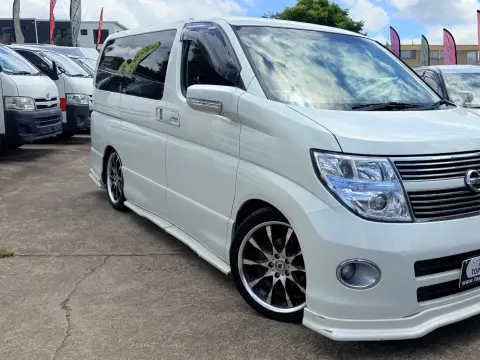
For common platforms like a Japanese‑delivered C‑HR, Prius, or Delica, many mainstream independent workshops and tyre chains in Brisbane are comfortable doing routine work and even bigger jobs. For niche cars such as a Toyota Crown Majesta, high‑output turbo models, or complex AWD systems, a specialist import workshop is usually the better choice.
These specialists are familiar with JDM wiring diagrams, ECU software, and hybrid or turbo systems, and often have the right scan tools and subscriptions for Japanese diagnostic platforms. They also tend to know which local parts cross over and which items must be ordered from Japan, reducing downtime.
How Brisbane owners can keep servicing simple
To make ownership easy, Japanese import owners can:
-
Build a relationship with one primary workshop and let them keep a service history from day one.
-
Ask the dealer which local models share parts or service procedures, and note those down for the mechanic.
-
Stick to conservative service intervals, especially for turbo and hybrid models, using quality oils and fluids that meet the original Japanese specs.
Handled this way, a Japanese import is no harder to look after than a local car, and in many cases gets better, more thorough servicing because both owner and mechanic are paying closer attention to the details.




Comments (0)