
Japanese Import Myth #9 - Japanese imports have terrible resale value
- Carstrike Team
- 2 min read
- 9 views

Explains how and when Japanese imports keep good resale value in Brisbane, what hurts value, and how owners can protect their investment.
Myth: “Japanese imports have terrible resale value”
This myth usually comes from people comparing the wrong cars. A rough, poorly documented import will always be harder to sell than a tidy, locally delivered car, but that is true for any brand or country of origin. What really drives resale is demand for the specific model, its condition, and how confident the next buyer feels about its history.
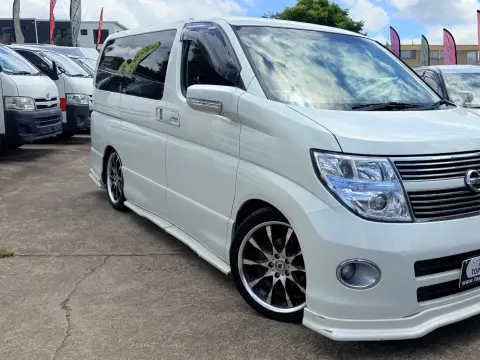
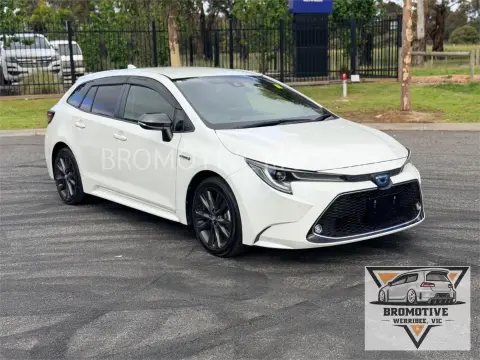
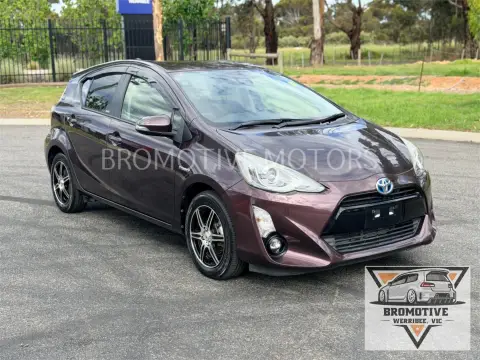
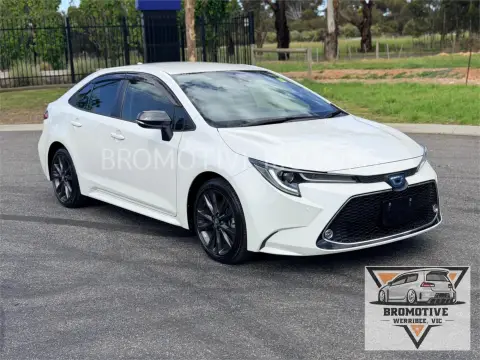
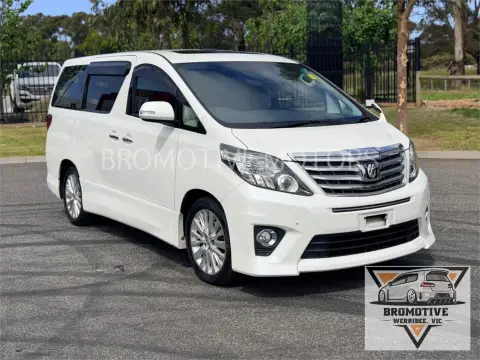
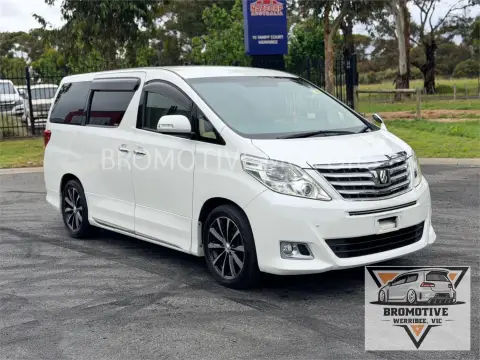
Popular and well‑known models—such as Japanese hybrids, camper vans, people movers and performance cars—often have strong followings, which supports resale values even years after import. Enthusiasts and families alike will pay more for a clean example from a trusted seller than for a mystery car with no paperwork.
What actually hurts resale on imports
Japanese imports lose resale value when they tick one or more of these boxes:
-
No documentation: missing auction sheets, service history or import/compliance paperwork.
-
Poor preparation: visible rust, faded paint, cheap repairs or unprofessional modifications.
-
Hard‑to‑insure or hard‑to‑service models that make everyday ownership feel risky.
These signals make buyers worry about odometer tampering, flood or accident history, and unexpected costs, so they either walk away or negotiate heavily. That is a presentation problem, not an inherent issue with Japanese cars.
How to protect (or improve) resale value
To keep your Japanese import desirable in Brisbane’s used‑car market:
-
Keep a tidy folder with auction sheets, compliance certificates, service invoices and any inspection reports.
-
Stay on top of maintenance, using quality parts and fluids, and record everything.
-
Avoid “cheap” modifications that are hard to insure or reverse; focus on tasteful, documented upgrades instead.
When the time comes to sell, advertise clearly that the car is a Japanese import with full history, explain any shared parts with local models, and be ready to answer questions about insurance and servicing. A well‑presented, well‑documented import will command stronger money and sell faster—proving that resale value is about how you buy and care for the car, not simply where it was first sold.


Comments (0)