
The Ultimate Guide to Importing Japanese Cars to Australia
- Carstrike Team
- 6 min read
- 50 views

Importing a car from Japan to Australia can unlock better specs, unique models, and sharper pricing than many local deliveries – but only if you understand the rules, costs, and process. This guide walks through how importing works, the schemes (25‑year rule vs SEVS), popular models, and what you should budget for.
1. How Japanese car imports work in Australia
Key pathways
In Australia, you generally bring in Japanese vehicles via one of three paths:
-
25‑Year (Historic/Classic) Rule / “Interim”
-
Vehicle is 25+ years old at time of import.
-
Much simpler eligibility – most makes and models allowed.
-
Often lower compliance costs but you still need an import approval and roadworthy.
-
-
SEVS – Specialist & Enthusiast Vehicle Scheme
-
For newer, interesting models that aren’t officially sold here.
-
Model must appear on the SEVs Register and be processed by a Registered Automotive Workshop (RAW).
-
-
-
-
Typical for Skylines, Evo, WRX STI, Kei vans, hi‑spec people movers, etc.
-
-
Personal import / low‑volume situations
-
You’ve owned and used the car overseas for 12+ months or fit another specific category.
-
Still requires import approval and usually compliance work.
-
-
-
-
In all cases, you must get a Vehicle Import Approval (VIA) through the federal ROVER system before the car leaves Japan – without it, the car can be held or re‑exported at your cost.
2. Step‑by‑step: importing from Japan
Step 1 – Choose your importer or do it yourself
Most people use a specialist import agent who:
-
Provides access to Japanese auctions and dealer stock.
-
Arranges pre‑purchase inspections and condition reports.
-
Handles bidding, paperwork, export, and shipping.
You can technically DIY, but between compliance, asbestos rules, shipping documentation and customs, using an experienced agent or RAW is usually cheaper and safer overall.
Step 2 – Confirm eligibility and get import approval
Your agent will help you check:
-
Is the car 25+ years old, or is it on the SEVs Register?
-
Is it right‑hand drive and able to meet Australian Design Rules?
-
Are there any asbestos risks (especially pre‑2000 brakes, clutches, gaskets)?
-
Then:
-
Create a ROVER account and apply for a Vehicle Import Approval under the correct pathway.
-
Pay the VIA fee (around tens to a couple hundred dollars depending on category).
-
Step 3 – Buy the car in Japan
Once VIA is in progress or granted:
-
Bid at auction or purchase from a dealer.
-
Pay:
-
FOB price (vehicle + local auction/export charges).
-
Export & inland transport in Japan.
-
-
Ensure the car is deregistered in Japan and export paperwork is prepared.
-
Step 4 – Shipping to Australia
Most imports arrive via Ro‑Ro ships; containers are used for high‑value or modified cars:
-
Ro‑Ro is cheaper; recent estimates are around AUD $2,000–$2,500 per car depending on port and conditions.
-
-
Transit time is typically 2–5 weeks to major ports such as Brisbane, Sydney, Melbourne, or Fremantle.
Your shipping agent will book the vessel and handle export customs on the Japanese side.
Step 5 – Arrival, customs, GST & duty
When the car lands in Australia you’ll deal with:
-
Customs clearance and biosecurity (quarantine) inspection.
-
Possible cleaning / fumigation if the underbody is dirty.
-
Import duty and GST, calculated on the CIF value (car + shipping + insurance).
Typical duty & GST bands:
-
Vehicles over 30 years old: 0% duty + 10% GST.
-
Newer passenger cars: normally 10% duty + 10% GST (duty may vary for specific categories).
There can also be port, documentation, congestion, and processing fees on top.
Step 6 – Compliance through a RAW
For SEVS and most personal imports, the car must go to a Registered Automotive Workshop:
-
RAW inspects and modifies the vehicle to meet Australian Design Rules (ADR), including:
-
Lighting and indicator specs.
-
Emissions controls and charcoal canister.
-
Child restraint anchorage points.
-
Immobiliser and security features.
-
Odometer verification and compliance plate.
-
-
-
-
-
Compliance usually costs AUD $2,500–$15,000, depending on model complexity and parts required.
-
Once complete, the RAW issues a compliance certificate/plate, making the car eligible for registration.
Step 7 – Registration and on‑road costs
Final steps in your state or territory:
-
Roadworthy inspection (safety certificate / blue slip / pits inspection).
-
Pay stamp duty, registration, number plates, and CTP insurance.
-
Arrange comprehensive insurance before driving.
3. What does it actually cost?
Costs vary wildly based on model, exchange rate and freight, but a typical budget includes:
-
In Japan
-
Vehicle auction / dealer price.
-
Auction fees and agent commission.
-
Inland transport to port.
-
Export paperwork.
-
-
Shipping & import
-
Ocean freight (Ro‑Ro or container).
-
Marine insurance.
-
Port & handling fees.
-
Customs broker fees.
-
Duty and GST on CIF value.
-
Quarantine inspection & cleaning if required.
-
-
Compliance & local costs
-
RAW compliance (SEVS or personal import).
-
Parts & modifications.
-
Transport from port to RAW and to your location.
-
Registration, plates, stamp duty, CTP and insurance.
-
As a rough ballpark, many enthusiasts find that total landed & complied cost ends up around 1.4–1.7× the Japanese purchase price for typical JDM imports; very old classics may be cheaper because duty is lower, while newer performance or luxury models can cost more due to complex compliance and LCT (Luxury Car Tax) where applicable.
4. Popular Japanese models to import
Enthusiasts import everything from Kei vans to supercars, but some models stand out:
Performance legends
-
Nissan Skyline GT‑R (R32/R33/R34/R35) – iconic AWD turbo coupes with huge tuning potential and serious collector value.
-
Toyota Supra (A70 & A80) – 2JZ‑powered grand tourers, especially sought after in twin‑turbo form.
-
Mitsubishi Lancer Evolution (IV–IX) – rally‑bred AWD sedans popular for tarmac and gravel motorsport.
-
Mazda RX‑7 FD3S – lightweight rotary sports car with distinctive styling and sharp handling.
-
Subaru WRX STI (various JDM generations) – better‑spec Japanese domestic models with rally heritage.
Everyday heroes & niche imports
-
Toyota Crown, Mark X, Chaser, Aristo – comfortable RWD/AWD sedans with strong drivetrains.
-
Toyota HiAce and Japanese vans – popular for camper builds and commercial use; require careful compliance work.
-
Kei cars & Kei vans – tiny turbo runabouts (e.g., Suzuki Alto Works, Daihatsu Move, Honda Beat) that are cheap to run but limited by safety and size.
-
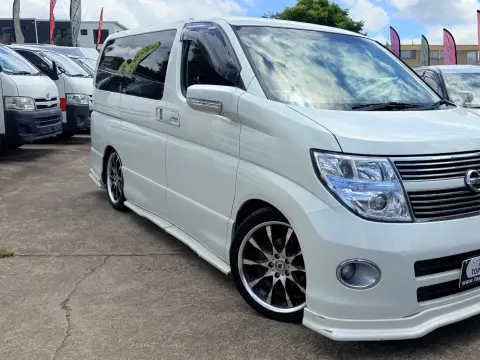
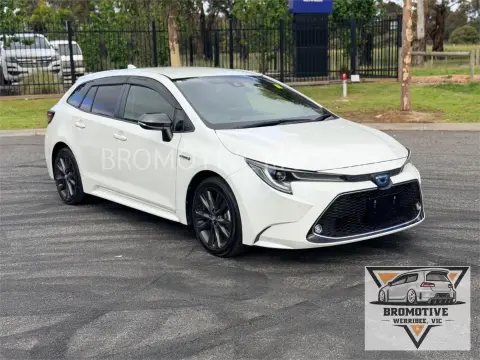
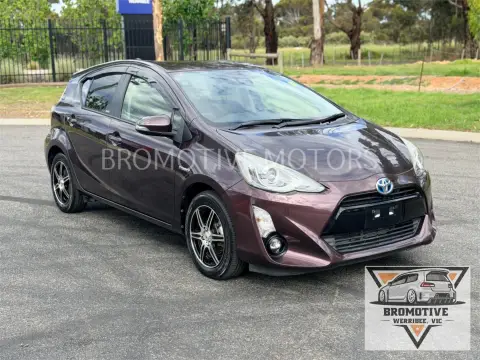
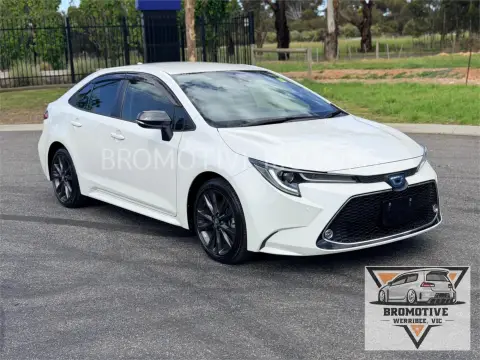
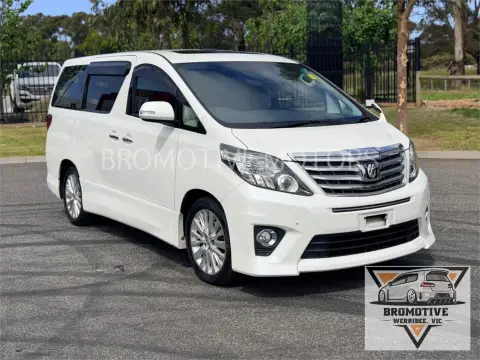
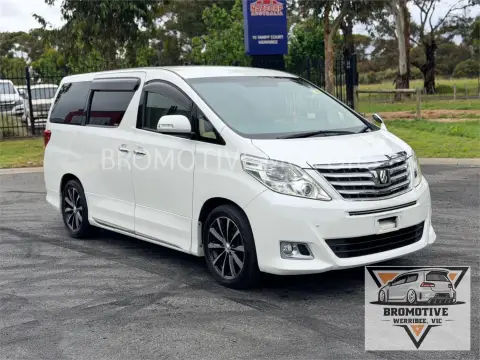
Hybrid wagons and people movers – e.g., Toyota Corolla, Prius α, Estima, Alphard, Vellfire, which offer fuel savings and comfort.
You can see our full list of currently available Japanese cars for sale here: https://carstrike.com.au/inventory.
5. Key risks and how to avoid them
-
Hidden damage or tampering – Always rely on independent auction reports and reputable agents; avoid cars with unclear history or suspiciously low mileage.
-
Asbestos issues – Pre‑2000 cars can contain asbestos in brakes, clutches, and gaskets; non‑compliance can cause delays and extra removal costs.
-
Compliance surprises – Rare or heavily modified models may need more work, raising costs or even making compliance impossible; check with a RAW before bidding.
-
Exchange rate and freight volatility – Sudden currency moves or shipping congestion can add thousands; leave contingency in your budget.
Comments (0)